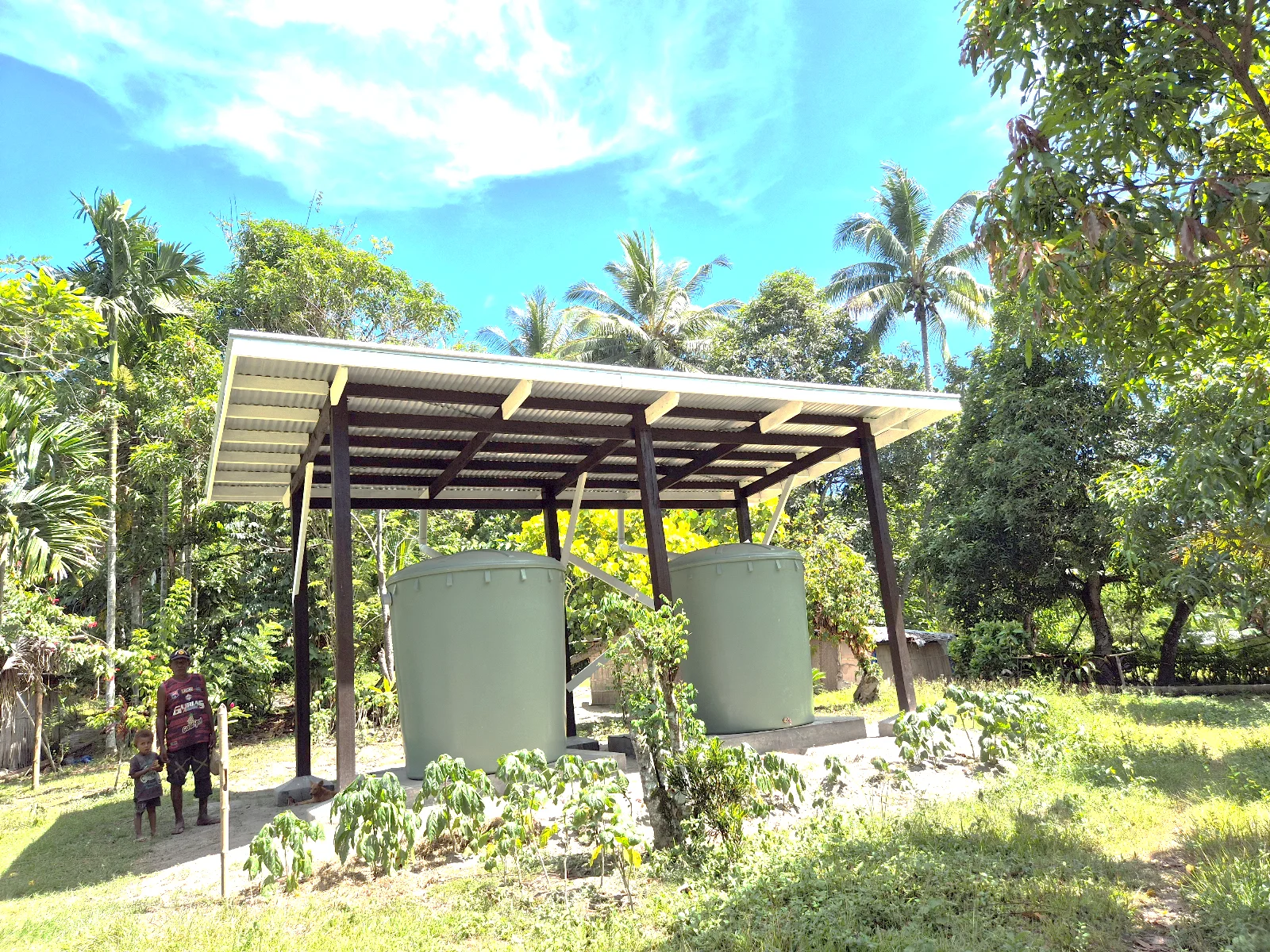
Water for everyday needs
Rainwater catchments and other community water systems feature in the programme’s earlier infrastructure work.
Learn more about Water for everyday needs Rural Service Delivery ProjectRSDP–2
 Department of Provincial and Local Level Government AffairsDPLGA
COMMUNITIES AT THE CENTRE
Supporting communities across Papua New Guinea to shape their priorities and build a more resilient future.
Community-driven development in Papua New Guinea
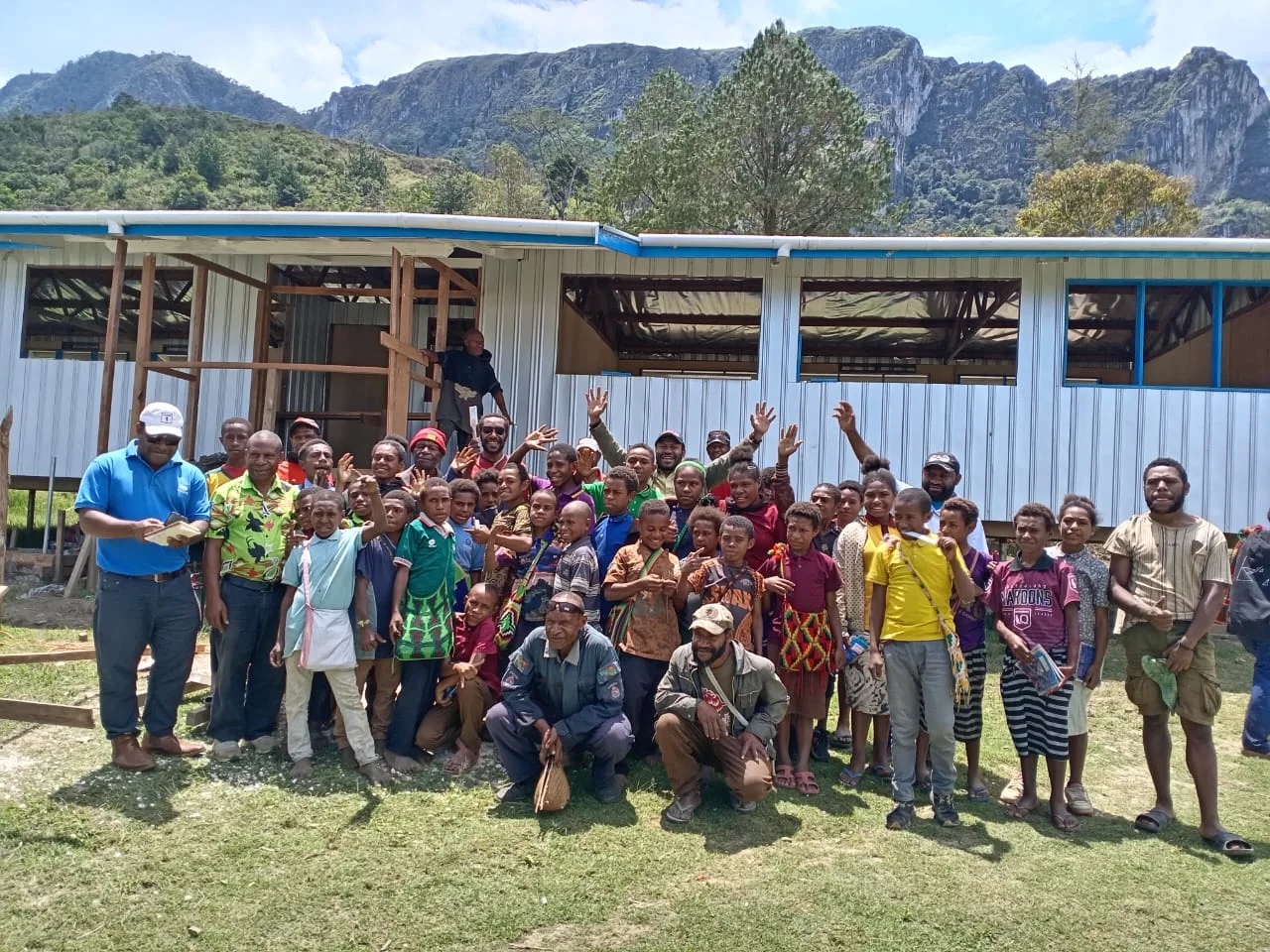
RSDP-2 · Planned coverage & reach
ABOUT THE PROJECT
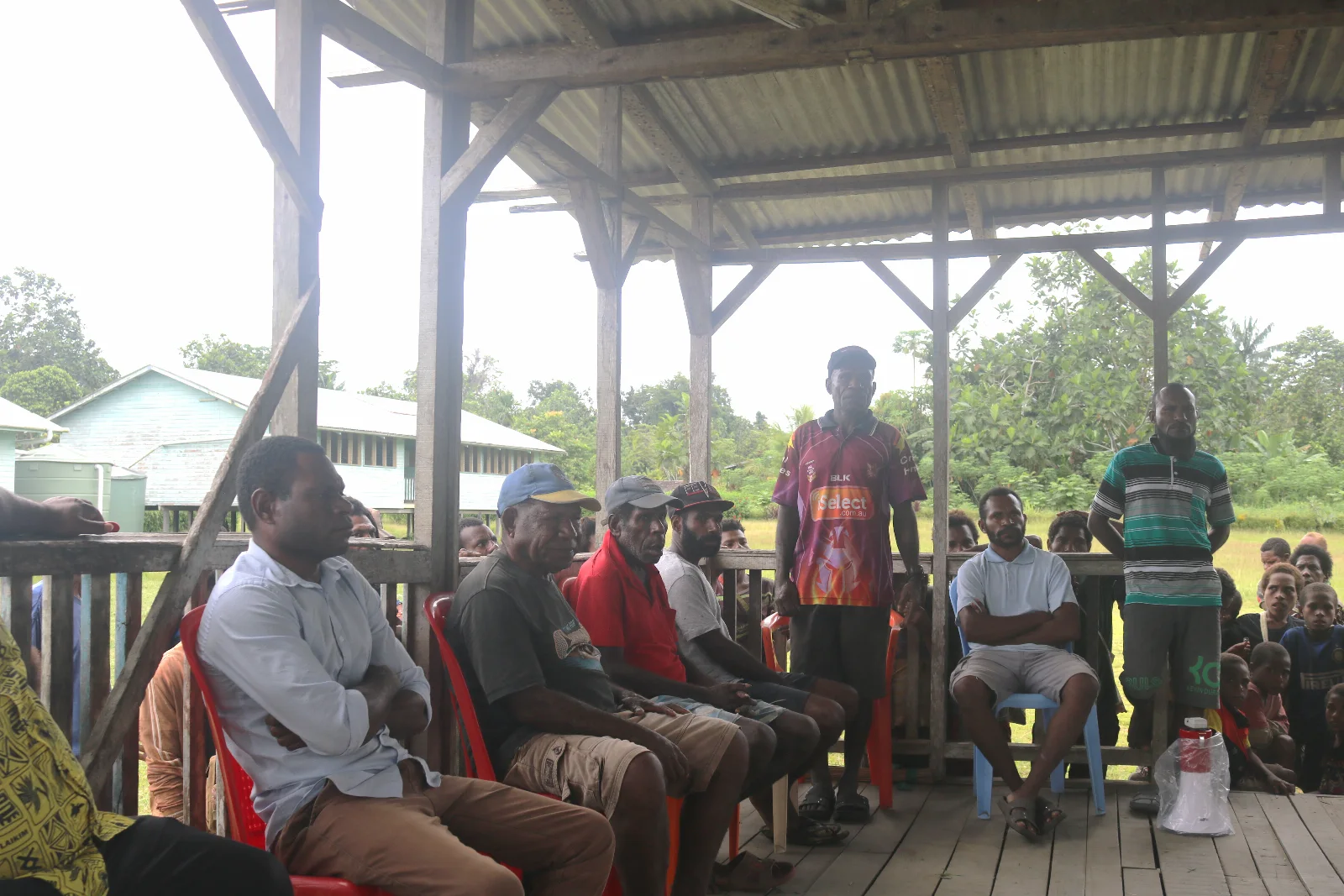
Implemented by the PNG Government through DPLGA and financed by the World Bank, RSDP-2 puts communities at the centre of rural development. People help identify priorities, plan improvements and take responsibility for the infrastructure and services they use.
Improve access to resilient infrastructure and services in participating provinces, including communities affected by violence.
Support community ownership, participatory planning and practical cooperation with local-level governments.
THE RSDP JOURNEY
From a two-province pilot to a wider rural development programme, the approach has grown around one idea: communities should help shape their own future.
The Rural Service Delivery and Local Governance Project began in Central and Western provinces. This pilot established the foundation for the community-driven approach that RSDP would take forward.
Pilot phase · Central & Western
The Rural Service Delivery Project expanded to five provinces and 20 local-level governments: Central, Western, Simbu, West Sepik and East New Britain. Communities identified priorities and delivered local infrastructure and services.
Phase 1 · 5 provinces · 20 LLGs
Phase 2 builds on the earlier programme, with planned coverage of 12 provinces, 24 districts and 48 local-level governments. Its focus combines resilient basic services with stronger participation in local governance.
Phase 2 · Planned reach: over 1.4 million people
WHERE WE WORK
Phase 2 plans to extend coverage across 12 provinces, 24 districts and 48 local-level governments, with an intended reach of over 1.4 million people. The provincial footprint below is the planned scope, not a record of completed delivery.
District and LLG profiles will be added as local information is published.
OUR WORK
Eight areas of work connect community priorities with practical improvements. They draw on earlier RSDP experience and the focus of Phase 2.
Learning needs a place to grow. Earlier RSDP work includes classrooms, school libraries, a computer lab and teachers’ houses, shaped around community priorities.
Local infrastructure can bring basic care closer to home. Earlier RSDP projects include community health aid posts and houses for community health workers.
Reliable water is a daily priority. The programme’s experience includes rainwater catchments, gravity-fed systems, solar-powered borewells and water-supply rehabilitation.
Shared spaces help communities connect and access services. Earlier work includes multipurpose halls, resource centres, markets, safe houses and a footbridge.
Energy supports everyday community needs. Solar household lighting is among the improvements delivered through earlier RSDP community projects.
Resilient basic infrastructure is central to Phase 2. Disaster and climate awareness at ward level is also part of the project’s contingent disaster response component.
Ward meetings, local planning and community review put people into decision-making. Training helps communities and local governments prepare, deliver and maintain projects.
Phase 2 includes women and youth in community training and planning, alongside dedicated grants to support their groups’ participation in local development.
RESULTS & IMPACT
A classroom, water supply or health aid post matters because of the service it supports. RSDP-2 builds on that experience, with a focus on resilient infrastructure, local participation and community ownership.
Basic infrastructure and services shaped around local needs.
Community meetings and local decisions throughout the project cycle.
Operation and maintenance planning alongside project delivery.
COMMUNITY PROJECTS
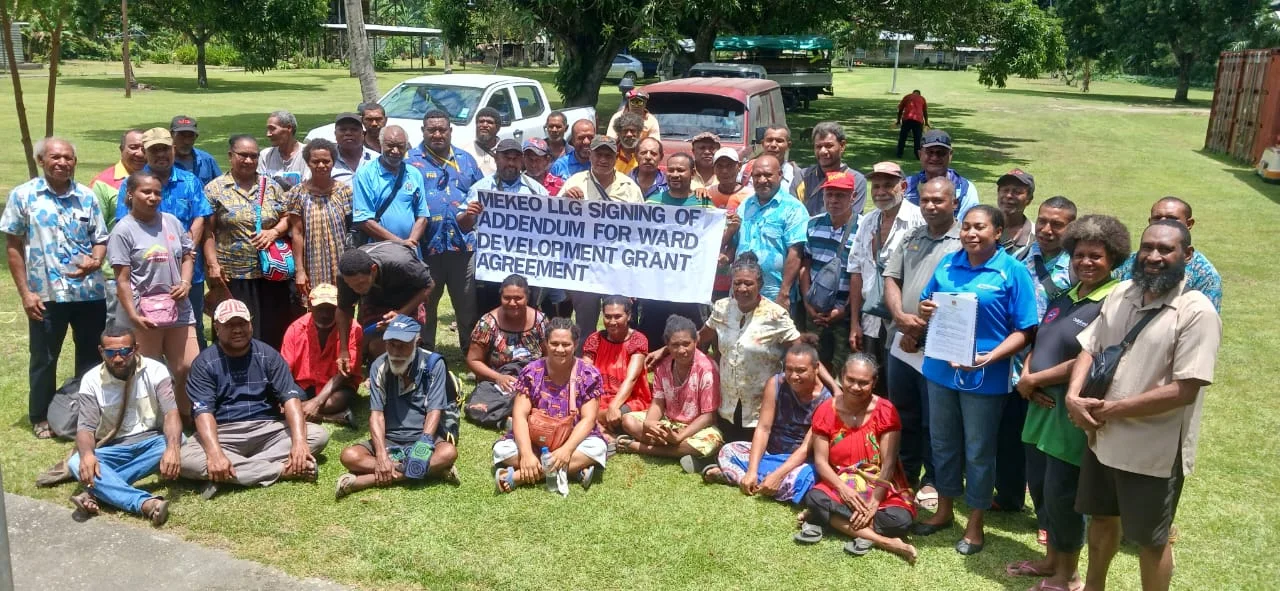
Earlier RSDP work delivered a range of improvements in rural services. These photographs illustrate the programme’s experience; they are not Phase 2 completion reports.
Rainwater catchments and other community water systems feature in the programme’s earlier infrastructure work.
Learn more about Water for everyday needs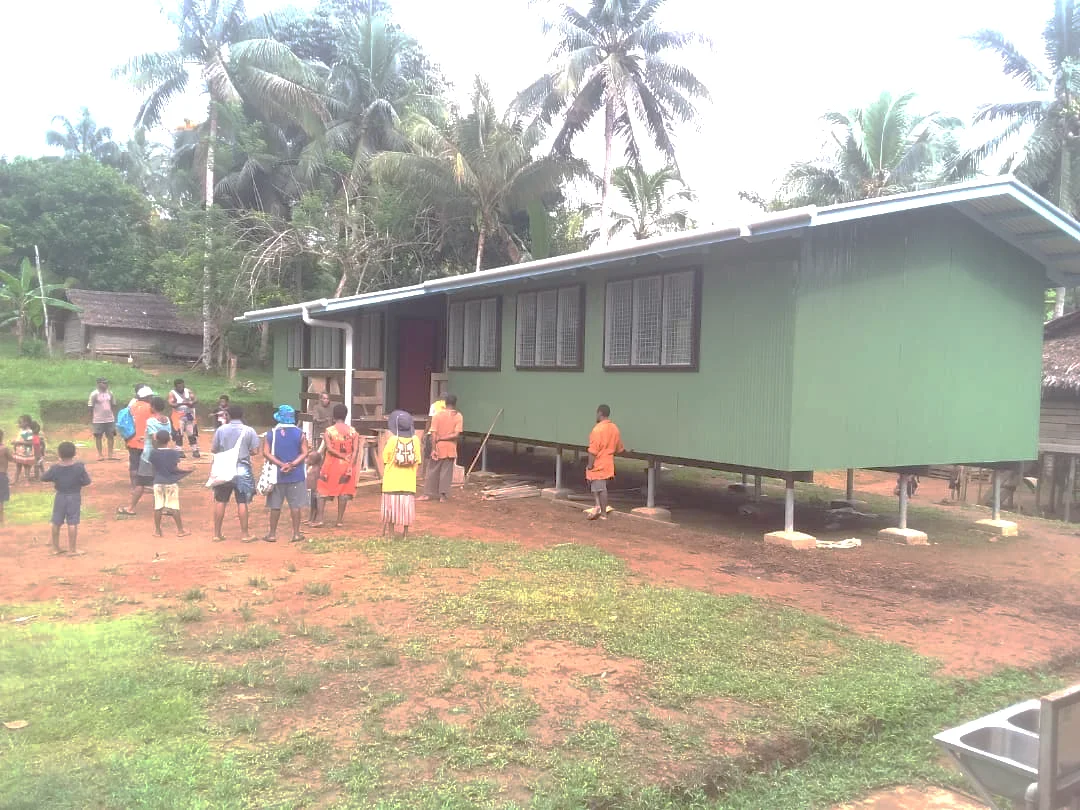
Classrooms, libraries and teachers’ houses are among the education facilities supported through earlier RSDP work.
Learn more about Spaces for learning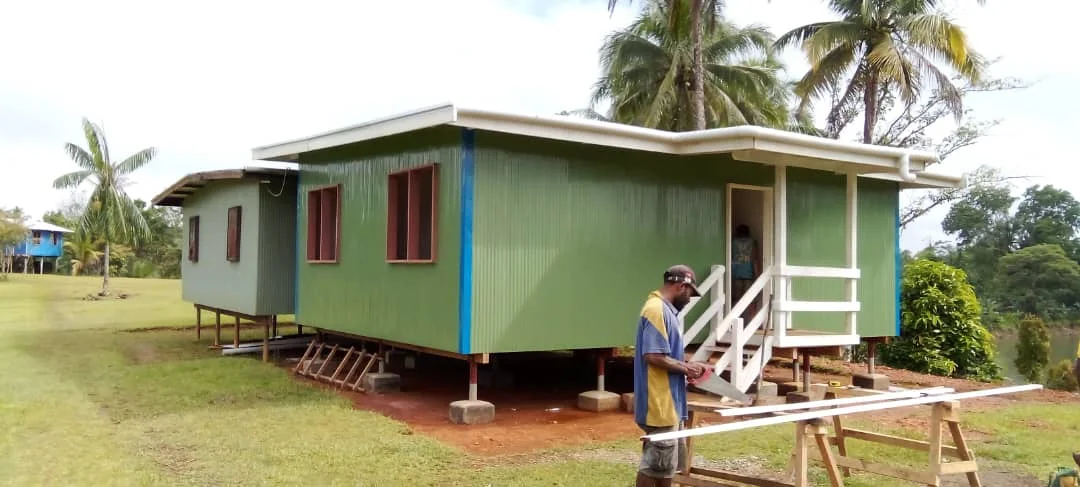
Community health aid posts and health-worker housing form part of the programme’s earlier health-sector work.
Learn more about Care closer to communitiesHOW IT WORKS
Communities stay involved through five stages, from the first discussions to the review of a completed subproject.
Project teams, local consultations and partnership arrangements prepare the ground for community work.
Ward meetings, service mapping and ward development plans help communities identify priorities.
Ideas are appraised, proposals are prepared and communities review the proposed subprojects.
Training, procurement and construction go alongside monitoring and operation and maintenance planning.
Technical checks and community evaluation review delivery and the arrangements for looking after the asset.
NEWS & STORIES
Read these project explainers for a closer look at the community-driven approach, the delivery cycle and the focus of Phase 2.
Project explainer: the journey from the Central and Western pilot to the planned footprint of RSDP-2.
Read more about Building on a community-led foundationProject explainer: infrastructure, capacity, project support and disaster response work together in Phase 2.
Read more about Four components. One shared purpose.Project explainer: how ward meetings, local planning and community review help turn needs into practical improvements.
Read more about From local priorities to community projectsMAKE A DIFFERENCE
Put your experience to work for rural communities. Explore opportunities to join the project.
Contract · NC-007
Port Moresby · National Capital District
The Senior Procurement and Contract Management Officer (SPCMO) leads and coordinates RSDP II procurement, contracting, and logistics activities, ensuring compliance with World Bank and Government of PNG requirements. The role provides procurement oversight and technical guidance to support transparent, efficient, and timely delivery of project activities and services to rural communities.
Closes 9 Oct 2026, 4:06 pm PGT
View vacancy